
Sherry Vinegar
an introduction to the wonderful world of sherry vinegar

Along with wine, vinegar was one of the first fermented products used by humankind. What began as a “fortunate mistake” in winemaking - over acidity - became a sought after attribute available only to a few. At first mostly used for preserving food and as a digestive aid, by the middle ages it was no longer just an occasional result of wine going bad, but a product that was made intentionally, making it more available. It wasn’t long after that vinegar began to be made commercially, marketed and sold.
WHAT IS VINEGAR?
Vinegar (from the French ‘vin aigre’ or sour wine) is a product obtained through the action of acetic acid bacteria on a hydro-alcoholic solution (a liquid containing alcohol). The process requires at least two successive steps: alcoholic fermentation (transformation of the original sugars into alcohol) and acetic fermentation (acidification of the alcohol ~ 6%). After this the vinegar is aged and sometimes other flavours are added.
There are many types of vinegar, depending on the origin of the alcoholic base: rice vinegar, vinegars made from different fruits, cane vinegar, balsamic etc. And of course, there are also wine vinegars, as in Sherry Vinegar.
WHAT IS SHERRY VINEGAR?
For a vinegar to be called Sherry Vinegar several factors must be present.
According to the Regulations of the Protected Designation of Origin, Sherry Vinegar is a product resulting from the acetic fermentation of wines from the Sherry Region, produced and aged using the traditional practices of the area and with the organoleptic and analytical characteristics described in its Regulations.
The Regulations of the Designation of Origin Jerez-Xérès-Sherry authorise the use of three grape varieties all of which are white, to produce Sherry Wines and, therefore, Sherry Vinegar: Palomino Fino, Pedro Ximénez, Moscatel de Alexandria.
With the proliferation of vinegar producers, wineries and other highly specialised vinegar factories in the Sherry Region, a process began in the 1970s and 1980s culminating in 1995 with the approval of PDO Sherry Vinegar (Vinagre de Jerez), the first Designation of Origin for this type of condiment in Spain.
These days the process of making Sherry Vinegar combines two forms of acetic fermentation. First, controlled acidification that begins rapidly in micro-oxygenated stainless steel vats, followed by a relatively long period of ageing in American oak casks using the dynamic criaderas y solera system. The special microclimate within the bodegas (aka sherry cathedrals), including high ceilings and windows, orientation, the albero (sandy) floors and thick walls, create the perfectly balanced humidity and temperature conditions that are essential for the vinegar to acquire its characteristic and highly-valued Sherry aromas.
CRIADERAS Y SOLERA SYSTEM
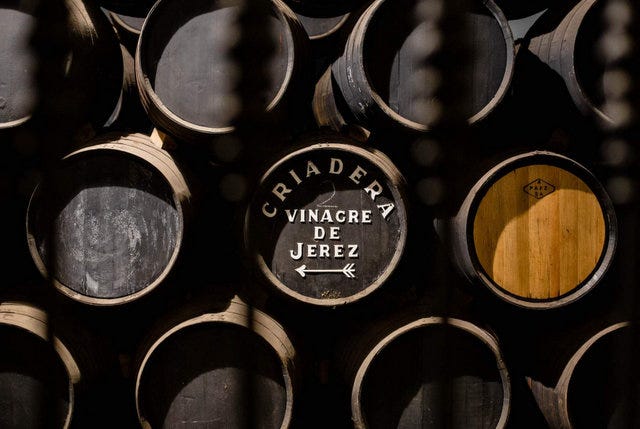
Just as with Sherry Wines, Sherry Vinegar is aged in American oak casks using the unique criaderas y soleras system of the region. The casks are stacked with the ones holding the oldest vinegar (the solera) being on the floor. The next row up is the first criadera, the next one the second criadera, and so on. Only the vinegars from the solera are bottled and, depending on how much is taken out each time, the equivalent amount will be taken from the first criadera to top it up again. Then the second criadera tops up the first… and this goes on until the final criadera when the young vinegars are introduced into the system.
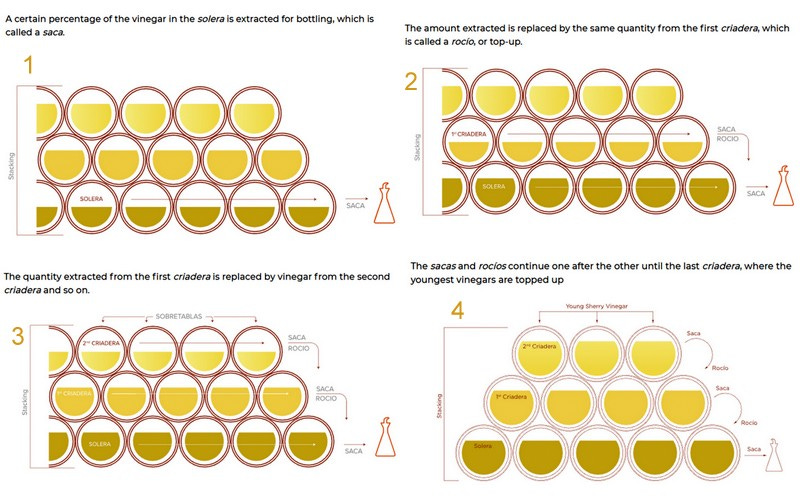
With the improvement of winemaking techniques and control methods over factors that affected the evolution of the wines, the volume of ‘sour’ wine that had to be dealt with became smaller and smaller. However, the vinegar criaderas (ageing tiers, or scales) continued to be fed with wines selected for that purpose, therefore forcing their acidification.
In the 19th century Sherry Vinegar started to be sold abroad following the arrival of merchants from France who were the first to discover the qualities and the enormous potential of this gastronomic gem, and from about a hundred years ago, Vinaigre de Xérès became an ingredient of great culinary prestige in French cuisine and started appearing in a wide variety of recipes.
STYLES
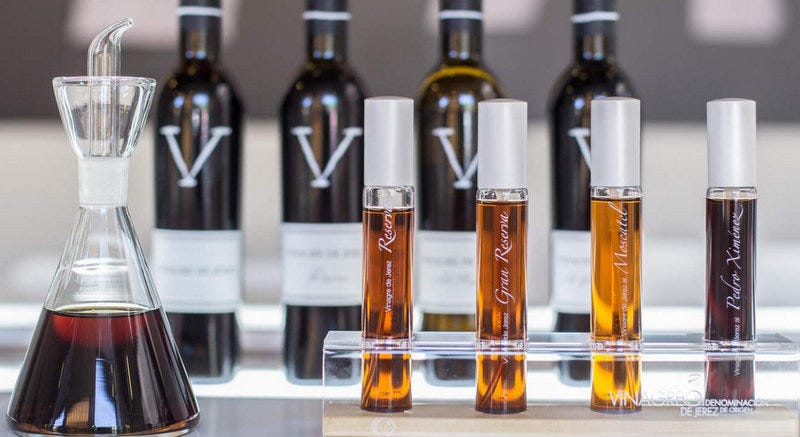
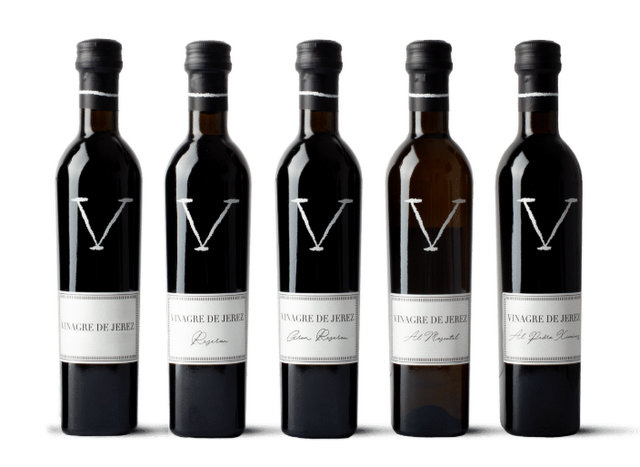
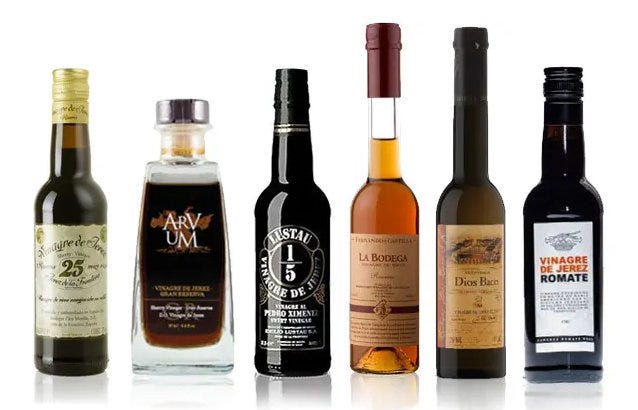
There are five different styles of Sherry Vinegar, each with its own personality and nuances. The different varieties are classified according to two factors: ageing and sweetness (tasting notes below courtesy of the Sherry Academy).
AGEING
Sherry Vinegar - 6 months to 2 years
Usually paler in colour; dominated by a deep amber colour, with mahogany tones.Liveliness on the nose and palate and, in general, a profile closer to the base wines, with an acetic note.
Ideal for making reductions, sauces and marinades.
Sherry Vinegar Reserva - 2 to 10 years
The older the vinegar, the more impact the seasoned butts have on the final product and, therefore, hints of Sherry Wine. At the same time, the vinegar will become more concentrated with more retronasal persistence, making it more pleasant on the palate.Traditionally, it’s the perfect pairing as a salad dressing and for cold soups, such as gazpacho or ajoblanco, an almond and garlic soup.
Sherry Vinegar Gran Reserva - more than 10 years
These are vinegars of exceptional aromatic complexity AND extraordinary smoothness despite their higher acetic content. Its distinct aroma contains intense acidity and notes of aged wine and hints of its lengthy oak ageing. This is the origin of its dry, balanced flavour and round, full mouthfeel with a long, acidic finish and notes of nuts and spices.A few drops of this vinegar seasons any dish and provides lingering sensations on the palate, with hints of wood, nuts and spices. Its immense aromatic complexity brings unique nuances to dishes such as baked vegetables or salads.
SWEETNESS
Sherry Vinegar al Pedro Ximénez
Sweet on the palate, deliciously smooth and unctuous, with notes of raisins, toast and liquorice.Perfect for meat dishes, cheeses, salads and desserts.
Sherry Vinegar al Moscatel
A semi-sweet vinegar, which goes through the same process as Sherry Vinegar al Pedro Ximénez, but with Moscatel wines or grape must.On the palate, it has a velvety texture and notes of raisins and dried fruits.
Ideal with salads and citrus fruit dressings.
STORING YOUR SHERRY VINEGAR
Sherry Vinegars don’t need to be refrigerated after opening and can be stored in a cool dark place (away from direct sunlight or cooking heat) for up to two years while maintaining top quality flavour. It does remain safe to use for up to five years under these conditions, but peak flavour will fade over time.
Below are some great gastronomic tips from the Sherry Academy. Also check out the Vinagre de Jerez Instagram for recipes and inspiration.
IN COLD DISHES:
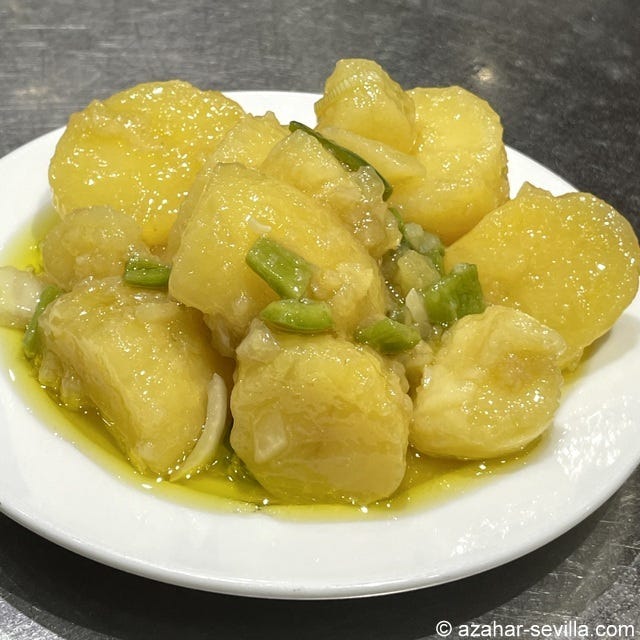
Pickling sauces: use the youngest, lightest varieties – Sherry Vinegar or Sherry Vinegar Reserva – and always allow pickled dishes to cool before serving.
Marinades: the perfect option when you want to marinade fish such as rock salmon.
Ceviches: try replacing lemon with Sherry Vinegar next time you make ceviche. You’ll be amazed by the delicious result.
Pickling vegetables: the acetic acid in Sherry Vinegar preserves veggies longer (olives, pickles, baby onions, capers, cauliflower, etc.) adding a more intense and undeniably unique flavour profile.
Emulsions and Dressings: emulsify the vinegar and oil beforehand (1 part vinegar to 5-10 parts oil). Then, add any number of ingredients to your dressing: capers, pickles, anchovies, parsley, salt, garlic, shallots, mustard, hard-boiled egg, etc.
Salads: always use Sherry Vinegar to prevent veggies from oxidising (going dark) or taking on unwanted sweetness.
Cold sauces: Sherry Vinegar adds aromatic intensity and the perfect balance to sauces such as mayonnaise, hollandaise or bearnnaise sauce.
Cold soups: its acidity evens out the sweetness of ingredients in dishes such as gazpacho, ajoblanco or cold creamy soups in general.
Desserts: a regular ingredient when making yolk-based ice creams, mantecados, merengues, fruit puddings or sponge cakes.
Juices: if you blend a small amount of Sherry Vinegar (1-5%) with fruit juice (such as orange, pineapple, peach or apple juice) you will get a very refreshing drink, ideal for summertime. In many oriental countries such as China or Japan, a widely consumed drink is vinegar diluted in water.
Macerating fruit: Sherry Vinegar adds character when macerating any number of citrus fruit varieties such as lemons, oranges, limes or grapefruit. Another delicious classic is macerating strawberries with Sherry Vinegar.
IN HOT DISHES:
Stews: the acidity in Sherry Vinegar is a flavour-enhancer for all kinds of stews.
Braises: just a few drops before serving a braised dish gives it an extra layer of flavour.
Offal: Sherry Vinegar effectively removes the scent of offal in the kitchen. It’s also used to scald cuts of offal such as tongue, kidneys, sweetbreads, brains, etc.
Grilled entrées: it enhances flavours when grilling and barbecuing while also adding extra juiciness to meat.
Oven-baked entrées: splashing a few drops of Sherry Vinegar onto oven-baked meats gives them a new twist. Perfect as a flavour booster for lamb or chicken.
Fish: Sherry Vinegar is a must when preparing sauces for fish such as beurre noir or chilli-garlic sauce (fried garlic with chilli pepper, parsley and a dash of Sherry Vinegar).
Hake roe: to prevent hake roe from splitting open while boiling, the secret is to add a splash of Sherry Vinegar just as the water comes to a boil. It never fails!
Sautéed mushrooms: when you sauté mushrooms and garlic in a frying pan, add a few drops of Sherry Vinegar and you’ll find the final result is much more flavoursome.
Bread dough: a few drops prevent the gluten from taking on a brownish hue.
Batter mix: the secret to a light, crunchy batter coating is to add a little Sherry Vinegar to the eggs.
And here are some tips from me about pairing your delicious dishes with Sherry Wines… Sherry & Tapas - A Pairing Guide.
While I was researching for this last week I spent some time on the Sherry Council website and saw their Sherry Academy has some cool (free!) online courses (as well as webinars and podcasts) so I decided to do the PDO Sherry Vinegar course and, hey, I passed! 🙂

Thanks for reading and supporting Bitesize Sevilla 🍊!
This post is public so feel free to share it.
Good with oysters too!