
Olive Oil 101
a guide to buying olive oil in Sevilla


“Where can I buy some good olive oil to take home?” may seem like a straight forward question but the answer is a bit more complex than that. Today guest writer and olive oil expert Alexis Kerner gives us her top tips on purchasing olive oil in Sevilla, followed by some information on the olive oil varieties you are most likely to find here.
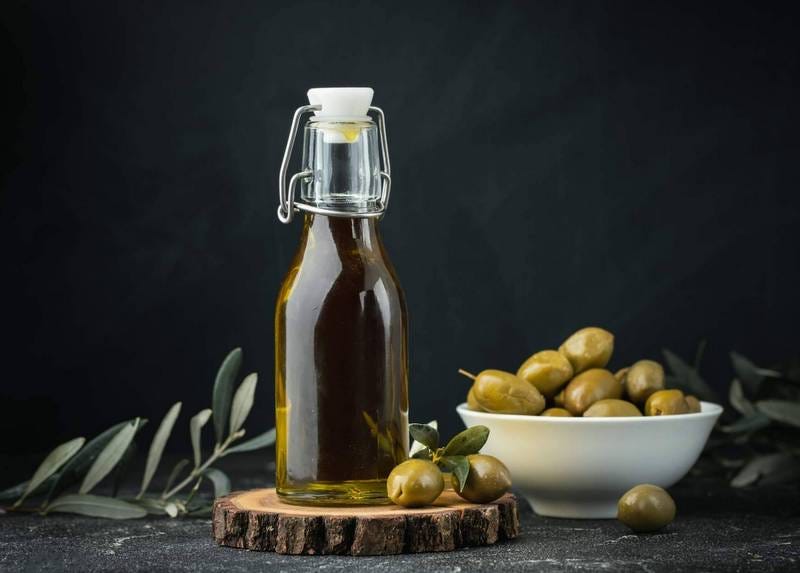
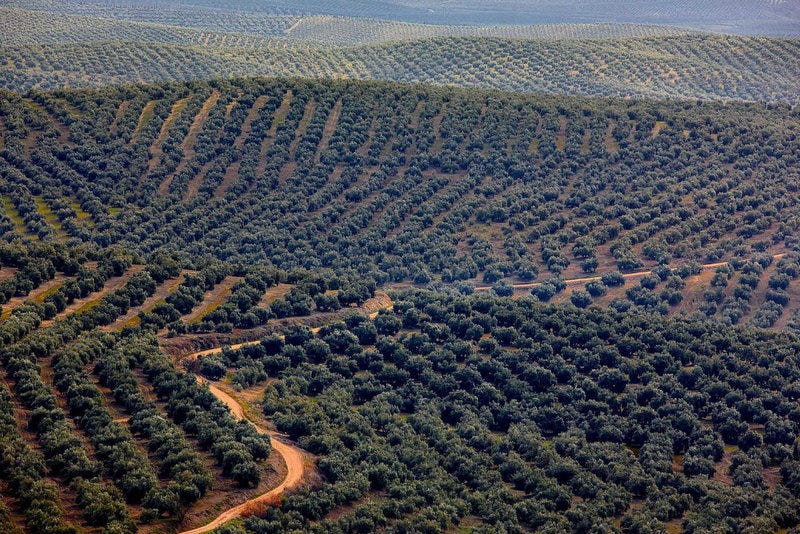
Any traveler who takes a ride on one of Spain’s high-speed trains or drives through the Andalusian countryside cannot fail to notice the expanses of trees that cover the landscape. They make a silent statement to any observer: the olive is essential to the Spanish people. There is a saying, a father’s house, a grandfather’s vineyard and a great grandfather’s olive grove. In fact Spain has many thousand year old olive trees and most Andalusians feel some type of connection to them whether their great grandfather harvested olives or they themselves helped as a kid.
After ordering your first tapa, it becomes even more evident how obsessed people are with this product. Sometimes it even pools at the bottom of their dish and they are most certainly having it for breakfast on toast. It is clearly at every meal. A simple salad may be hard to find, but olive oil is not.
Spain is the world's number one producer of olive oil. Jaén alone, one of the 8 provinces of Andalusia, produces more oil than Italy. And yet Spain’s fame for the product has often been in the shadow of the Italians. Perhaps this is due to Spain’s historical relationship with Rome as the Empire’s principle oil supplier, but this relationship has slowly changed over the past decade and consumers are finally beginning to see that Spain is not just a bulk supplier, but also a producer of the highest-grade oils. Year after year Spanish olive oil wins prestigious prizes for its quality.
Perhaps you already knew this and you are here to learn how to get your hands on some of the good stuff. It is easy to become confused on what to buy, so here are some of my top tips as an expert olive oil taster on how to purchase and consume extra virgin olive oil in Seville:
Tip one: Stay clear of those pretty bottles with herbs inside, unless you want to use it purely for decorative purposes. Clear bottles will allow the oil inside to oxidize and those herbs inside will degrade the oil.
Tip two: Similar to tip one, do not purchase oil in clear bottles unless they are also in a protective box. Always look for dark glass or tin. These formats will be best for olive oil conservation and travel. Stay away from plastic and even ceramic. Ceramic may be pretty but it is slightly porous and does not maintain the oil in optimum condition.
Tip three: You will see bottles of olive oil in markets, stores and even bars and restaurants that are cloudy and look like they are the real deal. These are unfiltered. Unfiltered olive oil can be fine the first couple of months after extraction (usually done in the fall and early winter) but those particulates floating around eventually settle at the bottom and will ferment and degrade the oil’s quality.
Tip four: Look for the harvest date and best before date on the bottle. Sometimes only the latter is available. Extra virgin olive oil is the fresh fruit juice of an olive. Unlike wine it will not get better over time so look for the date and ensure you get one that is well within its expiration date and close to its harvest date.
Tip five: Spain has 427 varieties of olives. Just like wines, olive oils can have different tasting profiles and health benefits depending on the variety. The label should indicate the variety or varieties used. Ask in the store about the tasting profile. If they don’t seem to know, well maybe you should go to a store that does.
Tip six: There are many specialty shops with a mix of good and not so great products. If you ask the shopkeepers about olive oil and they seem a bit confused themselves, that is not a great sign. In my opinion the most trust-worthy place to purchase olive oil in Seville is the Oleoteca on Calle Garcia de Vinuesa. They specialise in olive oil and are very knowledgeable about the product.
Tip seven: If you want to learn more about olive oil tasting and the product while you are in Seville, contact me and I will walk you through the ins and outs of Extra Virgin Olive Oil. Visit The Olive Oil Workshop.
Olive Varieties in Spain
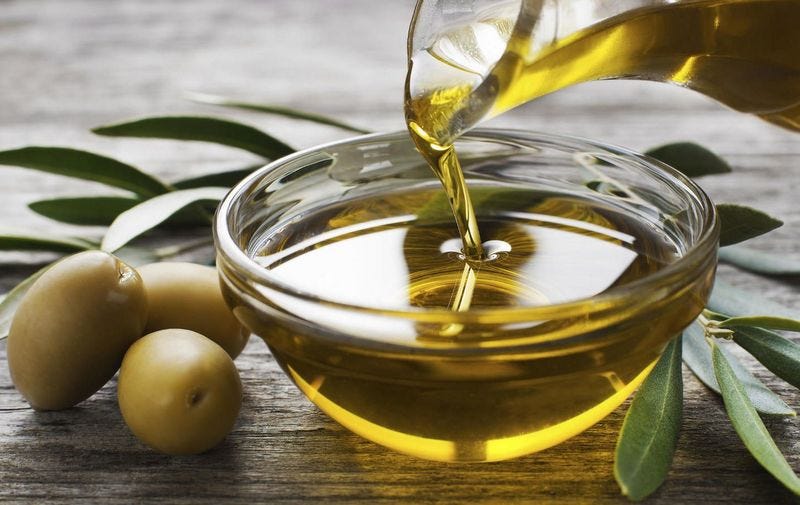
Spain has over 400 different varieties of olives and each has a different taste profile. Seville is home to many of the world’s most known and prized olive varieties. Most of the table olives that end up in your martini and salads are cultivated and marinated in this province.
Some of the most common varieties for olive oils you will find in local stores are Hojiblanca, Picual and Arbequina. However, there are lesser varieties that are starting to make headlines like Picolimon and Lechin. Once you try these main ones, it is recommendable to keep trying different varieties.
Hojiblanca, named for its white-silver leaf, has fruit that lends to both olive oil and table olive. The oil produced is typically peppery with notes of fresh cut grass and almonds. It is a versatile oil that can be used on fish, meat, vegetables and more.
Picual, named for its fruit shape that ends in a small peak, creates a more bitter olive oil with notes of artichoke, tomato plant and sometimes fig plant. It is high in antioxidants and has a long shelf-life making it great for those that may not consume it quickly. It is delicious on dark chocolate, grilled veggies and bread.
Arbequina is found in both the North and South of Spain. It is a very palatable olive oil, perfect for a consumer that is not necessarily accustomed to spicy or bitter foods. Notes of fruits like apple, banana and almond are common in arbequina oils. Perfect for desserts and seafood dishes.
 | A guest post by
|
When I lived in the US it used to drive me nuts that Americans thought Italian olive oils were the best. I don’t live there anymore so I don’t know if things have changed. At the time I thought Spain needed to improve its marketing when it comes to the food. Now that I live in Cadiz I drizzle extra virgin olive oil on my toast every morning.
Really useful article. Thanks